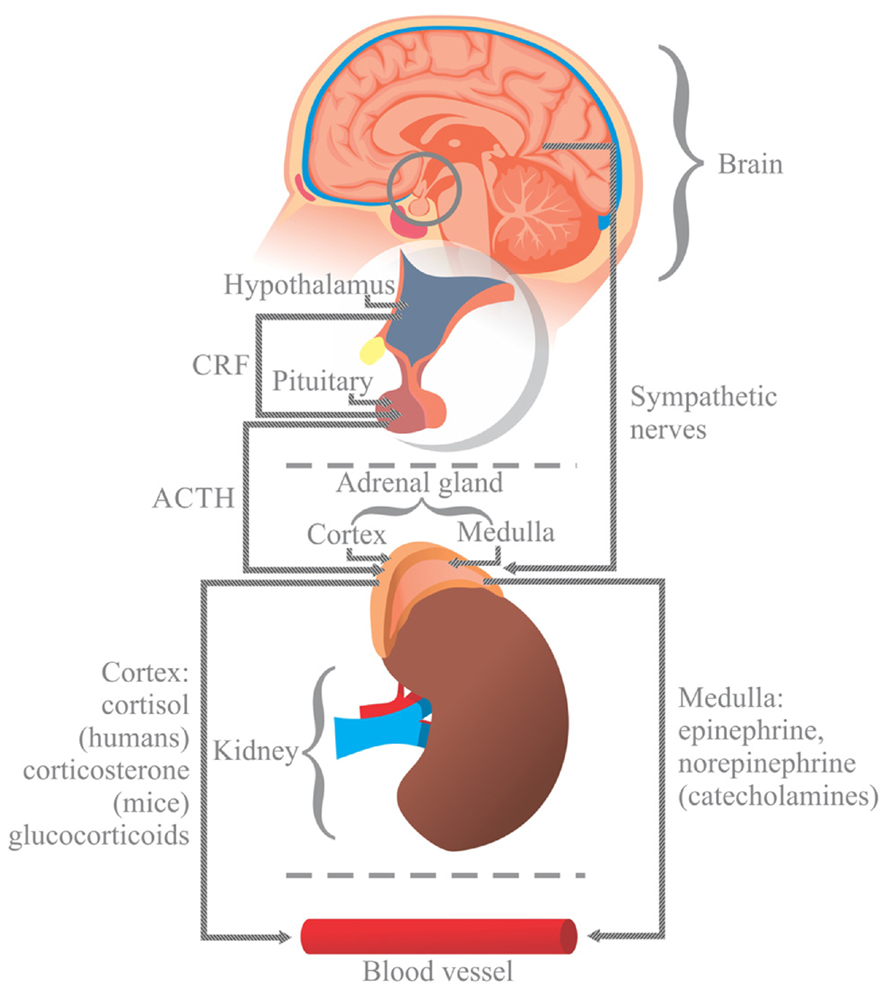
压力会占用身体资源
面对不确定、冲突或时间压力时,身体会启动一系列警觉和应对反应。心率、呼吸、肌肉张力、注意力和睡眠可能改变;这些反应短期内有助于应对,但持续压力可能让人更疲惫、更难集中或更担心下一次。性欲和勃起、射精体验也可能受注意力、情绪和身体唤醒状态影响。
“表现压力”常形成循环:一次不符合预期的体验引起担心,担心让注意力转向监测自己,监测增加紧张,紧张又使身体更难自然反应。这个循环是真实的身体体验,却不说明个人失败,也不排除同时存在睡眠、药物或其他身体因素。把它完全归结为“想开点”同样不够准确。
区分短期压力与持续困扰
短期考试、工作变化或关系冲突可能暂时影响睡眠和性体验。若压力持续数周、影响工作或关系,或伴随明显焦虑、抑郁、失眠、食欲变化和身体症状,就值得寻求支持。心理健康与性健康可以同时讨论,不必等到问题严重才开口。
记录压力事件、睡眠、酒精、活动和症状时间线,有助于看见触发因素,但不能替代评估。如果出现自伤想法、无法维持基本安全或其他急性精神危机,应联系所在地的紧急或危机服务。
让身体有更多安全线索
在双方同意和舒适的前提下,放慢节奏、减少计时或结果考核、沟通暂停信号,可能帮助降低互动中的压力。规律睡眠、活动和支持性关系也可能改善整体应对。它们不是保证性功能改变的处方,也不能取代针对持续焦虑、抑郁或创伤的专业支持。
选择心理咨询、伴侣咨询或其他支持时,应考虑当地资质和隐私。药物或治疗方案需由合格人员讨论,不要自行使用镇静药、激素或网络产品。本文提供理解压力循环的教育信息,不判断你的具体原因。
给压力循环加入可观察的出口
表现压力可能让注意力集中在结果,进而增加紧张和身体警觉。短暂停顿、放慢呼吸、降低目标压力和与伴侣沟通边界,可能帮助一些人重新获得安全感,但并非保证有效的技术。若变化与疼痛、药物、慢性病或持续情绪困扰同时出现,应把身体和心理因素一起讨论,而不是只追求“放松”。
把压力循环拆成可观察的部分
可以分别记录压力事件、身体感觉、自动想法和随后采取的行动。这样做不是要求你控制每一个反应,而是寻找能改变循环的小入口,例如短暂离开刺激、慢一点呼吸、恢复规律睡眠或与可信任的人沟通。
若持续紧张伴随明显失眠、抑郁、惊恐、胸痛或自伤想法,应联系当地医疗或危机支持。不要把严重症状归咎于“想太多”,也不要只靠补充剂解决复杂问题。
读懂睡眠与压力研究的边界
睡眠时长、规律性、主观恢复感和夜间呼吸是不同维度,压力也可能来自工作、照护、疼痛、关系和经济环境。把它们合并成一个“睡眠分数”或“压力水平”会丢失重要背景。短期熬夜、轮班和长期失眠的生理影响不一定相同,应用程序的估算也受到设备、算法和佩戴方式影响,适合用来观察趋势,不适合作为诊断。
很多睡眠和性健康研究是观察性的。它们可以发现两个现象经常一起出现,却不能证明一个现象必然导致另一个现象。情绪、慢性病、酒精、药物、环境和社会处境都可能同时影响睡眠与性体验。阅读研究时,关注样本如何定义“睡不好”、研究持续多久、是否控制了重要混杂因素,以及结论是否只适用于特定人群。
可执行的小调整通常比追求完美作息更现实,例如稳定起床时间、减少临睡前干扰、记录夜间症状并观察数周。若长期失眠、白天嗜睡、严重打鼾、夜间喘醒或情绪变化明显影响生活,应向当地医疗人员询问评估选择。本文不把睡眠记录转化为个人诊断,也不建议自行使用或停用助眠、激素或其他处方药。
表现压力可能形成注意力、肌肉紧张和回避的循环。把一次经历与长期模式分开,并减少羞耻语言,有助于更准确地描述问题。
把信息转成可核对的问题
阅读后可以写下三个问题:这条结论研究了谁、它能解释我正在观察的哪一部分、还有哪些替代解释没有被排除。带着具体问题和完整时间线寻求专业帮助,通常比在多个网页之间反复比较单一数字更有效。
Stress uses bodily resources
When facing uncertainty, conflict or time pressure, the body activates alert and coping responses. Heart rate, breathing, muscle tension, attention and sleep can change. These responses may help in the short term, but ongoing stress can increase fatigue, reduce concentration and amplify worry about the next experience. Desire, erections and ejaculation can also be influenced by attention, mood and bodily arousal.
Performance pressure can become a cycle: an experience that did not match expectations leads to worry; worry shifts attention toward monitoring; monitoring increases tension; tension makes a natural response more difficult. This is a real bodily experience, not a personal failure. It also does not rule out sleep, medicine or other physical contributors. “Just relax” is not a complete explanation.
Distinguish short-term stress from persistent distress
An exam, work change or relationship conflict can temporarily affect sleep and sexual experience. Stress lasting weeks, impairing work or relationships, or accompanied by marked anxiety, depression, insomnia, appetite change or bodily symptoms deserves support. Mental and sexual health can be discussed together, without waiting for a crisis.
A timeline of stressors, sleep, alcohol, activity and symptoms may show triggers, but it is not an assessment. Thoughts of self-harm, inability to stay safe or another acute mental-health crisis requires local emergency or crisis support.
Give the body more cues of safety
When both people consent and feel comfortable, slowing down, reducing time or outcome monitoring and agreeing on a pause signal may lower pressure. Consistent sleep, activity and supportive relationships may help coping. They do not guarantee a sexual-function change and cannot replace support for persistent anxiety, depression or trauma.
When choosing counselling, couples support or another service, consider local credentials and privacy. Medicines and treatment plans belong in a discussion with a qualified professional; do not self-use sedatives, hormones or online products. This article explains a stress cycle, not an individual cause.
Add observable exits to the stress cycle
Performance pressure can narrow attention to an outcome and increase tension and bodily alertness. A pause, slower breathing, lower performance demands and a conversation about boundaries may help some people regain safety, but none is guaranteed. If changes occur with pain, medicines, chronic illness or persistent emotional distress, discuss physical and psychological factors together rather than pursuing relaxation alone.
Break the stress cycle into observable parts
You can record the event, the body sensation, the automatic thought and what happened next. The purpose is not to control every reaction, but to find a small opening: step away from a trigger, slow the breathing, restore sleep or speak with someone trusted.
If sustained tension comes with major insomnia, depression, panic, chest pain or thoughts of self-harm, contact local medical or crisis support. Severe symptoms should not be dismissed as overthinking, and a supplement cannot solve a complex problem on its own.
Reading sleep and stress research carefully
Sleep duration, regularity, perceived restoration and night-time breathing are different dimensions. Stress can arise from work, caring, pain, relationships or finances. A single “sleep score” or “stress level” loses that context. A short period of late nights, shift work and persistent insomnia may not have the same effects, while a wearable estimate depends on its device, algorithm and use. It can help someone notice a pattern, but it is not a diagnosis.
Much sleep and sexual-health research is observational. It can show that two experiences often occur together without proving that one caused the other. Mood, chronic illness, alcohol, medicines, environment and social circumstances may influence both. When reading a study, notice how “poor sleep” was defined, how long the study lasted, whether important confounders were considered and whether the conclusion applies beyond the studied group.
Small, sustainable changes are usually more realistic than a perfect schedule: a consistent wake time, fewer pre-sleep disruptions and a record of night symptoms over several weeks can provide useful context. Persistent insomnia, daytime sleepiness, loud snoring, gasping at night or major mood changes warrant a conversation with local health services. This guide does not turn a sleep log into a diagnosis and does not advise self-starting or stopping sleep, hormone or prescription medicines.
Performance worry can create a loop of attention, muscle tension and avoidance. Separating one event from a long-term pattern and using non-shaming language helps describe the concern more accurately.
Turning information into checkable questions
After reading, write down three questions: who was studied, which part of the experience could the finding explain, and which alternative explanations remain open. Bringing those questions and a complete timeline to an appropriate health professional is usually more useful than comparing one number across many web pages.
A practical evidence check
A useful source should identify its authors or institution, date, population and limits. Guidance written for a different age group, diagnosis or treatment setting may not transfer directly. Prefer material that links to the underlying guideline or review and states when it was updated. If two reliable sources disagree, check whether they use different outcomes or time periods before treating the difference as a contradiction. Keep the distinction between a possible explanation, a measured association and a proven benefit. That distinction protects readers from both unnecessary alarm and unrealistic reassurance, and it leaves room for a qualified professional to interpret the details of an individual situation.