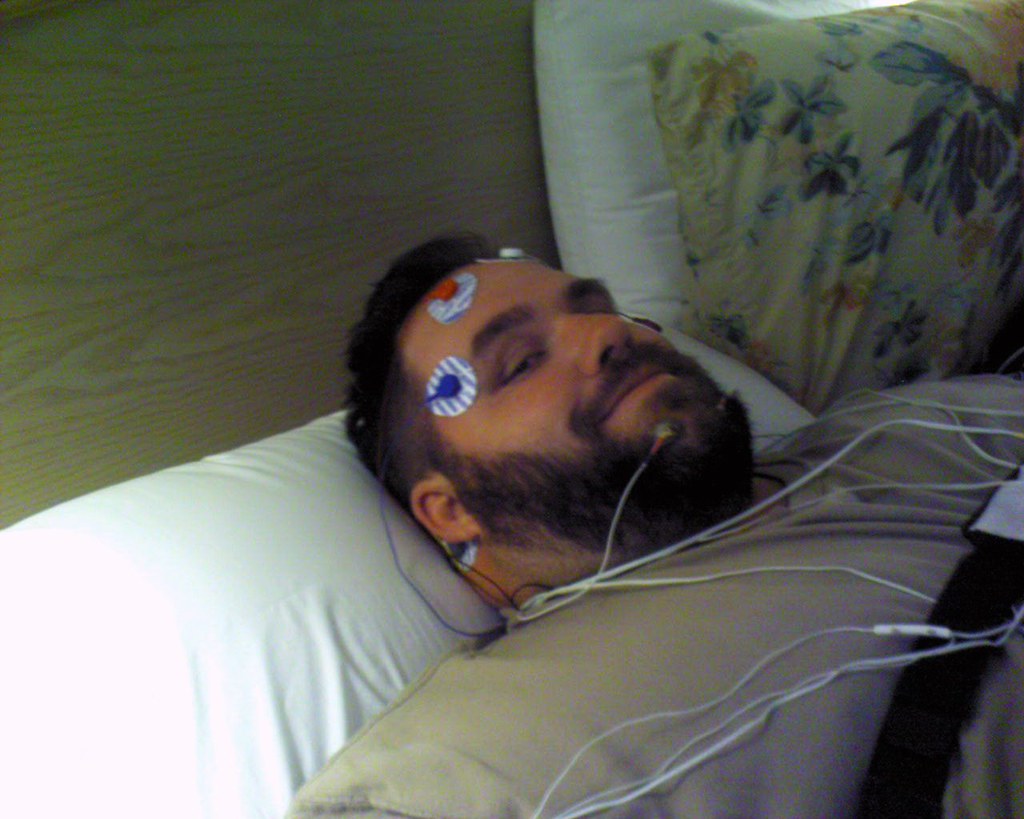
睡眠质量不只是时长
连续睡眠、深度、夜间觉醒和醒来后的恢复感共同构成睡眠体验。轮班、噪音、疼痛、照护责任、焦虑、酒精、药物和睡眠呼吸问题都可能打断睡眠。夜间醒来一次不一定异常,但长期频繁醒来并伴随白天困倦,可能需要进一步了解。
睡眠中断会影响注意力、情绪、记忆和白天精力,也可能改变对压力和亲密互动的感受。性欲或勃起变化可与睡眠同时出现,但并不代表睡眠就是唯一原因。研究结果多来自特定人群和测量方法,不能从一晚或一个应用分数推断个人健康。
留意呼吸和白天功能
大声打鼾、睡眠中反复喘气、被告知有呼吸暂停、晨起头痛和白天过度嗜睡,是可以向医疗人员提及的信息。它们不自动等于睡眠呼吸暂停,但可能帮助决定是否需要评估。长期失眠也可以讨论,尤其当它影响工作、安全驾驶、情绪或关系。
保持简单记录,例如睡眠时间、醒来次数和白天困倦,比反复检查每个睡眠阶段更有帮助。如果追踪数据让你更加焦虑,可以减少使用。不要自行购买镇静药或把酒精当作助眠方式;用药与睡眠问题需结合个人情况讨论。
改善应当渐进
固定起床时间、白天适度光照和活动、减少临睡前刺激,可能为节律提供线索。对轮班或照护者来说,完全固定作息可能不现实;可以与专业人员一起寻找可行的小改变。若症状持续、明显恶化或影响安全,应通过当地医疗服务评估。
本文是睡眠教育材料,不是失眠或睡眠呼吸障碍的诊断工具,也不对性功能变化作个人解释。
睡眠问题可能有多种路径
夜间疼痛、鼻塞、胃部不适、轮班、照护压力和药物都可能打断睡眠。先从一到两周的记录开始,写下入睡、醒来、白天功能以及影响最大的事件。减少晚间酒精和咖啡因对一些人有帮助,但不代表所有问题都能靠习惯解决。持续影响工作、情绪或安全驾驶时,应考虑寻求专业评估。
先辨认影响生活的模式
睡眠中断的原因可能包括噪声、疼痛、焦虑、轮班、酒精、药物或呼吸问题。记录夜间醒来的时间、是否打鼾或憋醒,以及白天注意力和情绪变化,可以帮助后续讨论。不要把一项症状直接等同于某种睡眠诊断。
如果持续疲劳影响工作、驾驶或关系,或者伴随明显呼吸暂停、胸痛和其他急症表现,应及时寻求当地帮助。睡眠改善通常是渐进的,不能用一次好觉或一晚差觉判断全部健康状况。
读懂睡眠与压力研究的边界
睡眠时长、规律性、主观恢复感和夜间呼吸是不同维度,压力也可能来自工作、照护、疼痛、关系和经济环境。把它们合并成一个“睡眠分数”或“压力水平”会丢失重要背景。短期熬夜、轮班和长期失眠的生理影响不一定相同,应用程序的估算也受到设备、算法和佩戴方式影响,适合用来观察趋势,不适合作为诊断。
很多睡眠和性健康研究是观察性的。它们可以发现两个现象经常一起出现,却不能证明一个现象必然导致另一个现象。情绪、慢性病、酒精、药物、环境和社会处境都可能同时影响睡眠与性体验。阅读研究时,关注样本如何定义“睡不好”、研究持续多久、是否控制了重要混杂因素,以及结论是否只适用于特定人群。
可执行的小调整通常比追求完美作息更现实,例如稳定起床时间、减少临睡前干扰、记录夜间症状并观察数周。若长期失眠、白天嗜睡、严重打鼾、夜间喘醒或情绪变化明显影响生活,应向当地医疗人员询问评估选择。本文不把睡眠记录转化为个人诊断,也不建议自行使用或停用助眠、激素或其他处方药。
夜间醒来、疼痛、鼻塞、轮班和照护责任可能需要不同的处理思路。先描述具体模式,再讨论是否需要评估,比笼统地追求“睡满”更有帮助。
把信息转成可核对的问题
阅读后可以写下三个问题:这条结论研究了谁、它能解释我正在观察的哪一部分、还有哪些替代解释没有被排除。带着具体问题和完整时间线寻求专业帮助,通常比在多个网页之间反复比较单一数字更有效。
Sleep quality is more than duration
Continuity, depth, awakenings and how restored someone feels all shape sleep. Shift work, noise, pain, caregiving, anxiety, alcohol, medicines and breathing problems can interrupt it. One awakening is not necessarily abnormal, but frequent long-term disruption with daytime sleepiness may deserve further discussion.
Interrupted sleep can affect attention, mood, memory and daytime energy, and may change how stress and intimacy feel. Desire or erectile changes may occur alongside poor sleep, but sleep is not automatically the only cause. Research reflects particular populations and measurements; one night or an app score cannot establish personal health.
Notice breathing and daytime function
Loud snoring, repeated gasping, reported pauses in breathing, morning headaches and marked daytime sleepiness are worth mentioning to a health professional. They do not automatically diagnose sleep apnea but can inform whether assessment is useful. Persistent insomnia also deserves discussion when it affects work, driving safety, mood or relationships.
A simple note of sleep time, awakenings and daytime sleepiness is often more useful than checking every sleep stage repeatedly. If tracking increases anxiety, use it less. Do not buy sedatives independently or use alcohol as a sleep aid; medicines and sleep concerns need personal context.
Improvement can be gradual
A regular wake time, suitable daylight and activity, and fewer stimulating activities before bed may provide useful cues. A fixed schedule may be unrealistic for shift workers or caregivers; a professional can help find practical small changes. Persistent, worsening or safety-affecting symptoms should be assessed through local care.
This is sleep education, not a diagnostic tool for insomnia or sleep apnea, and it cannot explain an individual sexual-health change.
Sleep disruption can follow several pathways
Pain, nasal congestion, reflux, shift work, caregiving demands and medicines can all interrupt sleep. Begin with a one- or two-week record of sleep timing, awakenings, daytime function and the events that seemed most influential. Reducing late alcohol or caffeine helps some people but cannot solve every cause. If sleep keeps affecting work, mood or safe driving, consider professional assessment.
Identify the pattern that affects daily life
Interrupted sleep can follow noise, pain, anxiety, shift work, alcohol, medicines or breathing problems. A simple record of awakenings, snoring or gasping, daytime attention and mood can support a later conversation. One symptom should not be treated as a complete sleep diagnosis.
If persistent fatigue affects work, driving or relationships, or if there are repeated breathing pauses, chest pain or another acute concern, seek local care. Improvement is often gradual; one good night or one poor night cannot describe overall health.
Reading sleep and stress research carefully
Sleep duration, regularity, perceived restoration and night-time breathing are different dimensions. Stress can arise from work, caring, pain, relationships or finances. A single “sleep score” or “stress level” loses that context. A short period of late nights, shift work and persistent insomnia may not have the same effects, while a wearable estimate depends on its device, algorithm and use. It can help someone notice a pattern, but it is not a diagnosis.
Much sleep and sexual-health research is observational. It can show that two experiences often occur together without proving that one caused the other. Mood, chronic illness, alcohol, medicines, environment and social circumstances may influence both. When reading a study, notice how “poor sleep” was defined, how long the study lasted, whether important confounders were considered and whether the conclusion applies beyond the studied group.
Small, sustainable changes are usually more realistic than a perfect schedule: a consistent wake time, fewer pre-sleep disruptions and a record of night symptoms over several weeks can provide useful context. Persistent insomnia, daytime sleepiness, loud snoring, gasping at night or major mood changes warrant a conversation with local health services. This guide does not turn a sleep log into a diagnosis and does not advise self-starting or stopping sleep, hormone or prescription medicines.
Night waking, pain, congestion, shift work and caring duties may need different responses. Describing the pattern first is more useful than simply pursuing a target number of hours.
Turning information into checkable questions
After reading, write down three questions: who was studied, which part of the experience could the finding explain, and which alternative explanations remain open. Bringing those questions and a complete timeline to an appropriate health professional is usually more useful than comparing one number across many web pages.
A practical evidence check
A useful source should identify its authors or institution, date, population and limits. Guidance written for a different age group, diagnosis or treatment setting may not transfer directly. Prefer material that links to the underlying guideline or review and states when it was updated. If two reliable sources disagree, check whether they use different outcomes or time periods before treating the difference as a contradiction. Keep the distinction between a possible explanation, a measured association and a proven benefit. That distinction protects readers from both unnecessary alarm and unrealistic reassurance, and it leaves room for a qualified professional to interpret the details of an individual situation.