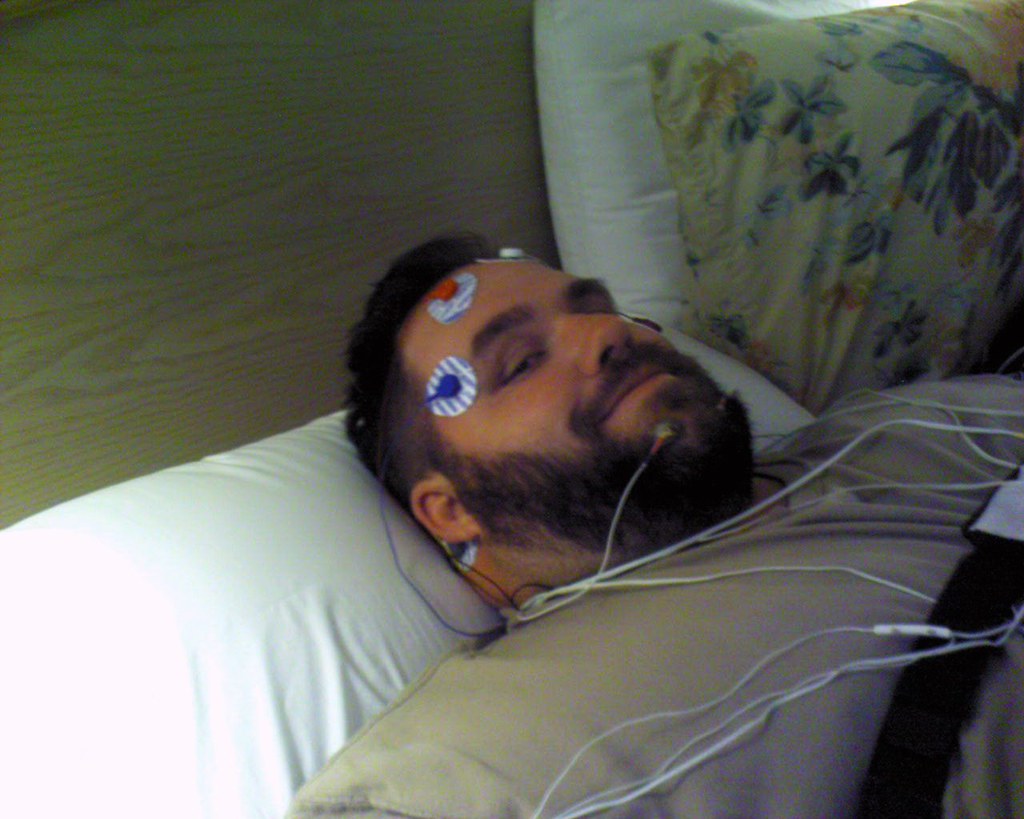
睡眠不只是休息时间
睡眠与心率、血压、激素调节和代谢过程相互关联。昼夜节律影响身体何时更清醒、何时准备休息;睡眠不足或节律反复被打乱,可能影响白天的精神、情绪和身体调节。心血管疾病、疼痛、夜间呼吸问题和某些药物也可能反过来干扰睡眠。因此,这种关系并非单向的简单因果。
研究会从睡眠时长、质量、规律性、轮班工作、失眠或睡眠呼吸障碍等不同角度观察健康结果。它们的定义与测量方式并不相同,许多研究也是观察性研究。短期熬夜和长期睡眠模式不能直接等同,某个夜晚睡不好也无法预测心血管结局。社会环境、工作安排、压力、疾病和生活条件都可能同时影响睡眠与心脏健康。
留意持续模式和伴随症状
比起只关注“睡够几个小时”,可观察入睡困难、夜间醒来、醒后是否恢复、白天嗜睡、鼾声或呼吸暂停迹象,以及作息是否长期不规律。睡眠需求因年龄和个体而异,单一数字不能适用于所有人。如果长期明显嗜睡、夜间喘醒、严重打鼾或睡眠问题影响日常功能,可向医疗人员询问是否需要评估。
性健康和睡眠也可能交织。睡眠质量、情绪、压力和身体疾病可以影响性欲与勃起体验;反过来,夜间症状或对表现的担忧也可能干扰休息。不能从睡眠状况或晨间勃起直接判断睾酮、血管或性功能诊断。若症状持续且困扰,完整背景比一个睡眠追踪器分数更有价值。
建立可维持的睡眠习惯
规律的起床时间、较舒适的睡眠环境和减少临睡前的干扰,对一些人有帮助,但效果因人而异。轮班、照护责任、住房和慢性病等现实条件可能限制作息调整。建议应当可行、温和,而不是把睡眠问题归咎于自律不足。酒精可能让人较快入睡,却会影响睡眠结构;处方药也不应自行开始或停用。
若已确诊睡眠呼吸暂停、高血压或其他疾病,应遵循个人照护计划。本文不提供睡眠或心血管治疗建议。胸痛、严重呼吸困难、晕厥等急症应联系当地急救服务;持续睡眠困难可由正规医疗渠道评估。
睡眠线索也要结合白天状态
打鼾、夜间憋醒、晨起头痛、白天嗜睡和注意力下降,可能提示需要进一步了解睡眠质量,但单一线索不能自行诊断睡眠障碍。保持作息记录、标注酒精和药物影响,有助于发现可重复的模式。若伴随持续胸痛、呼吸困难或其他急性症状,应优先寻求及时医疗帮助。
为什么需要把风险放在整体背景中
血管、神经、代谢和心理状态共同参与性反应,因此一项体验不能代替完整的心血管评估。血压、血糖、血脂、吸烟、活动水平、睡眠、家族史和既往疾病可能彼此叠加,但每项指标的意义都取决于测量方式、时间和个人背景。研究中观察到的群体趋势可以帮助提出问题,却不能直接生成个人风险分数或治疗方案。
证据还会受到研究设计影响。横断面研究适合描述某个时点的关联,队列研究可以观察随访变化,随机试验更适合评估特定干预的平均效果。不同研究的参与者、结局定义和随访时长可能不一样,所以看见“有关联”时要继续问:关联有多大、是否可能由其他因素解释、结果能否推广到自己。媒体标题和产品广告经常省略这些限定条件。
持续或令人担忧的症状值得通过正规医疗渠道讨论,尤其是伴随胸部不适、明显气促、晕厥或运动耐量突然下降时。药物和补充剂的作用不能只按网上的类别判断,处方调整应由开药人员完成。本文帮助读者整理观察角度和沟通线索,不给出个人运动处方、心脏诊断或性功能治疗承诺。
睡眠与心血管主题相交时,持续模式和夜间呼吸线索比单晚追踪数据更有意义;性健康变化也应放在同一段时间线里观察。
把信息转成可核对的问题
阅读后可以写下三个问题:这条结论研究了谁、它能解释我正在观察的哪一部分、还有哪些替代解释没有被排除。带着具体问题和完整时间线寻求专业帮助,通常比在多个网页之间反复比较单一数字更有效。
Sleep is more than time off
Sleep is connected with heart rate, blood pressure, hormone regulation and metabolism. Circadian rhythms influence when the body is alert and when it prepares for rest. Insufficient sleep or repeated disruption may affect daytime energy, mood and bodily regulation. Cardiovascular illness, pain, nighttime breathing problems and some medicines can also disrupt sleep. The relationship is therefore not a simple one-way cause.
Studies examine different aspects, including duration, quality, regularity, shift work, insomnia and sleep-related breathing disorders. Definitions and measurements vary, and many studies are observational. A short period of poor sleep is not equivalent to a long-term pattern, and one difficult night cannot predict a cardiovascular outcome. Social conditions, work schedules, stress, illness and living circumstances may influence sleep and heart health at the same time.
Notice persistent patterns and accompanying symptoms
Rather than focusing only on a target number of hours, consider difficulty falling asleep, waking during the night, whether sleep feels restorative, daytime sleepiness, snoring or possible pauses in breathing, and long-term irregular schedules. Sleep needs differ with age and between people; one figure does not fit everyone. Persistent marked sleepiness, waking gasping, loud snoring or impaired daily function can be discussed with a health professional.
Sexual health and sleep may also intersect. Sleep quality, mood, stress and physical conditions can influence desire and erectile experience. Nighttime symptoms or worry about performance may in turn disturb rest. Sleep patterns or morning erections cannot diagnose testosterone, vascular or sexual-function conditions. When concerns persist, broader context is more useful than a score from one sleep tracker.
Build habits that can be maintained
A regular wake time, a comfortable sleep environment and fewer disruptions before bed may help some people, though responses vary. Shift work, caregiving, housing and chronic illness can limit changes. Advice should be feasible and gentle rather than framing sleep problems as a failure of discipline. Alcohol may make someone feel sleepy sooner but can alter sleep quality; prescriptions should not be started or stopped without professional guidance.
People already diagnosed with sleep apnea, hypertension or another condition should follow their personal care plan. This article does not provide sleep or cardiovascular treatment advice. Chest pain, severe breathing difficulty or fainting calls for local emergency services; ongoing sleep difficulty can be assessed through appropriate care.
Combine sleep clues with daytime function
Snoring, waking short of breath, morning headaches, daytime sleepiness and reduced attention may justify learning more about sleep quality, but one clue cannot diagnose a sleep disorder. A sleep log that notes alcohol and medicines can reveal a repeatable pattern. Persistent chest pain, breathing difficulty or another acute symptom should take priority and needs timely medical care.
Why risk belongs in the wider picture
Vascular, neurological, metabolic and psychological factors can all contribute to sexual responses, so one experience cannot replace a cardiovascular assessment. Blood pressure, glucose, lipids, smoking, activity, sleep, family history and previous conditions may interact, but each measure depends on how and when it was obtained and on the person’s context. A population trend can help someone ask a better question; it cannot generate an individual risk score or treatment plan by itself.
Study design also changes what a result can tell us. Cross-sectional work describes associations at one time, cohort studies follow change, and randomised trials are better suited to the average effect of a defined intervention. Participants, outcome definitions and follow-up periods vary, so “associated with” should prompt more questions: how large was the association, what else could explain it, and does it apply to this person? Headlines and product advertising often remove those qualifications.
Persistent or concerning symptoms deserve discussion through appropriate local care, especially with chest discomfort, marked breathlessness, fainting or a sudden reduction in exercise tolerance. Medicines and supplements cannot be judged safely from a broad internet category; prescription changes belong with the prescriber. These articles offer observation points and conversation prompts, not an individual exercise prescription, cardiac diagnosis or promise of improved sexual function.
When sleep and cardiovascular topics overlap, long-term patterns and night-time breathing clues are more useful than a single tracker score. Sexual changes can be observed in the same timeline.
Turning information into checkable questions
After reading, write down three questions: who was studied, which part of the experience could the finding explain, and which alternative explanations remain open. Bringing those questions and a complete timeline to an appropriate health professional is usually more useful than comparing one number across many web pages.
A practical evidence check
A useful source should identify its authors or institution, date, population and limits. Guidance written for a different age group, diagnosis or treatment setting may not transfer directly. Prefer material that links to the underlying guideline or review and states when it was updated. If two reliable sources disagree, check whether they use different outcomes or time periods before treating the difference as a contradiction. Keep the distinction between a possible explanation, a measured association and a proven benefit. That distinction protects readers from both unnecessary alarm and unrealistic reassurance, and it leaves room for a qualified professional to interpret the details of an individual situation.